Alright, let’s discuss. Collision Coverage Explained is a phrase you’ll see hurled around by agents and comparison sites, and honestly, a lot of consumers nod and move on. But if you’ve ever wondered what collision genuinely covers and when it pays out, this is the pleasant, no-nonsense description you desire. I’ll lead you through the foundations, the nuanced sections, and practical cases so you can make sense of it without falling asleep.
Collision Coverage Explained: The easy version
So, Collision Coverage Explained indicates this: collision pays to fix your automobile following an accident where your vehicle hit something or something hit your vehicle. That includes hitting another automobile, a pole, a railing, or rolling over. It generally does not cover theft, vandalism, or weather damage. Those are often part of another policy dubbed comprehensive. Keep that piece in your head: collision equals repairs after impact, and comprehensive covers the rest.
What collision insurance generally pays for
When you make a claim under collision, the insurance typically pays to repair your vehicle up to its real cash worth, minus your deductible. So if your car’s repair costs is $4,000 and you have a $500 deductible, the insurer pays $3,500. If the automobile is totaled, the insurance pays the car’s cash value minus your deductible. That’s merely the mechanic’s bill math, not wishful thinking.
OTHER POSTS
- Towing and Labor Coverage Explained: Do You Need It?
- Roadside Assistance Coverage Explained: What It Covers
- Medical Payments Coverage Explained: How It Works
- Rental Reimbursement Coverage Explained: Is It Worth It?
- Gap Insurance Explained: What It Is and When You Need It
Collision Coverage Explained: who needs it and when
Look, if your car is brand new, financed, or leased, lenders normally require collision because they don’t want their collateral walking away. If your car is older and worth less than what you’d pay in premiums, some people skip collision and self-insure for lesser dents. Neither choice is ethically right or wrong; it’s about what makes sense for your budget and tolerance for risk.
Collision deductible and tradeoffs
Choosing a deductible is part of the game. A greater deductible like $1,000 lowers your monthly premium but means you pay more if something happens. A lower deductible, like $250, raises the premium but provides you less out-of-pocket suffering on a claim. When we say Collision Coverage Explained it always comes down to this tradeoff: monthly cost against per-claim cost.
Collision Coverage Explained: typical exclusions and gotchas
Okay, now the thing that trips people up. Collision will not pay if you collide while driving under the influence, or if you’re operating the car for commercial delivery and don’t have the necessary endorsement. It also normally won’t cover normal wear and tear, mechanical breakdowns, or modifications unless you add a rider. Another crucial point: if someone else hits you and they’re at blame, their obligation should cover your repairs; your insurer may handle it first and then subrogate, meaning they chase the other insurer later.
Examples that make sense
Let me give you a couple of simple stories. One friend went into a curb during a rainy night and had substantial suspension damage. Collision paid after the deductible and saved him thousands. Another person received a damaged bumper after hitting a deer. That’s a classic borderline case where collision often applies and comprehensive also could, depending on the policy wording. Those real examples are when Collision Coverage Explained actually clicks.
Total loss and real monetary value
When your car is totaled, insurers pay the actual cash value, which is the car’s market worth right before the loss, not what you spent, not what you wish, but what the car was worth. That cash worth typically factors in depreciation. If you owe more on a loan than the car’s cash value, you could be left owing the difference unless you have gap insurance. This is a distinct policy but it’s applicable every time we consider collision, so keep gap in mind if you financed recently.
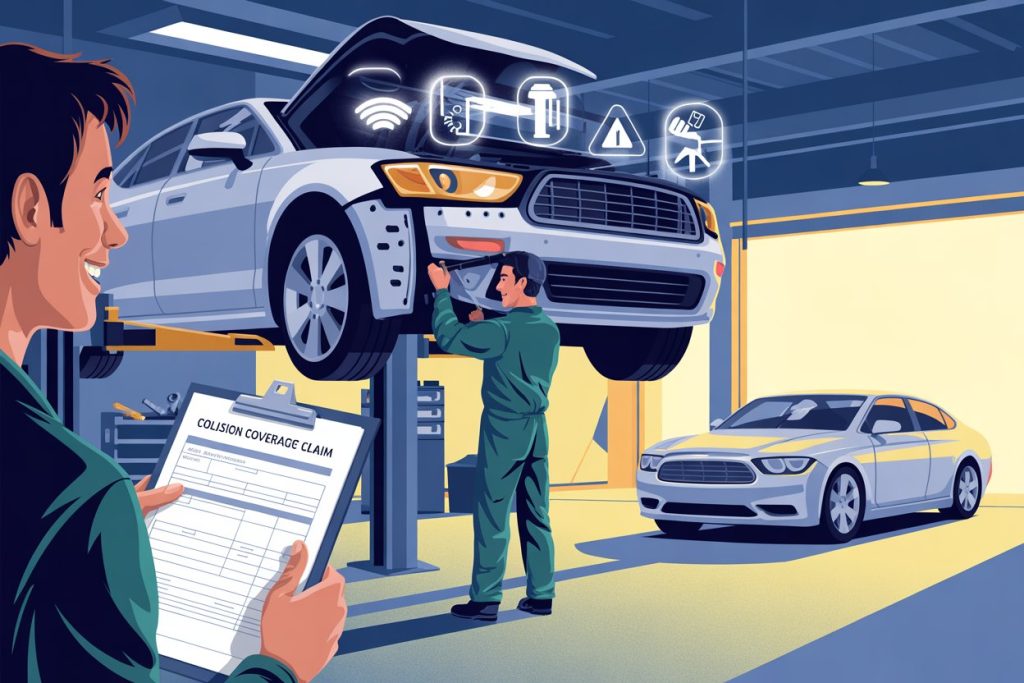
Collision Coverage Explained: How claims influence your premium
Filing collision claims might raise your premium at renewal, especially if you’re at fault. Some insurers offer accident forgiveness after a long clean time, but don’t count on it unless it’s mentioned in your policy. If you have small damage and can afford it, sometimes paying out-of-pocket preserves your no-claims record and saves money later.
When to use collision versus when to pay out of pocket
Here’s a rule of thumb folks utilise. If the repair cost is less than your deductible plus the amount a premium rise would cost you over the next few years, you might choose to pay out of pocket. That’s realistic math, not fancy, but it saves money. Collision Coverage Explained is essential here since it helps you determine whether a claim is worth making.
Telematics, discounts, and safety gear
Some insurers pay discounts for cars with modern safety features because they lower accident severity. Others offer savings if you install telematics and verify you drive safely. If the insurance sees you slam brakes all the time, that could work against you. But if your driving data looks calm, corporations might cut your rate. So certainly, safe behavior and safety tech can pay off.
Interaction with rental cars and loaners
If your car’s in the shop after a collision, rental reimbursement coverage pays for a rented automobile. It’s typically cheap and handy, yet optional. Some repair shops supply loaners; others don’t. So while thinking about collision, additionally consider whether you want rental reimbursement attached.
Special vehicles and modifications
If you’ve customised your car with aftermarket parts, those alterations sometimes aren’t covered by conventional collision. You could require a bespoke parts endorsement or an agreed-value agreement for classics or high-end upgrades. That’s where the fine print becomes your friend or foe. If you’ve invested in enhancements, declare them before a claim.
The claims procedure in plain words
First, assess safety and summon emergency services if needed. Then share info and take images. Contact your insurer and they’ll guide the estimate and repairs. If the other driver’s plainly at fault, you can sometimes handle it through their insurer instead. Either way, save receipts, photos, and all notes. Clean records help when someone contests fault or when subrogation becomes a thing.
What to ask your agent
Ask these: what’s my deductible, how will a claim affect my premium, does this cover rental reimbursement, do custom components need an endorsement, and how is actual cash value established. Also ask about accident forgiveness and how long claims stay on file. These questions safeguard you from surprises.
Conclusion and recommendation
Look, at the end of the day, Collision Coverage Explained boils down to one basic idea: it fixes or replaces your car when you hit anything or something hits you. If your automobile is financed or you wouldn’t want to pay thousands out of pocket for repairs, collision makes sense. If your car is older and the premiums outweigh the expected payout, you might legally and rationally drop it. Both paths are okay. The sensible move is to do the figures, verify your loan or lease criteria, and select a choice that matches your position.
If you have any confusions about this post, do well to contact us through our Contact Us page
FAQ
What’s the difference between collision and comprehensive?
Collision covers damage from impacts like hitting another car or a pole. Comprehensive covers non-impact damage such as theft, vandalism, or weather events.
Does collision cover hitting an animal?
Sometimes. If you hit an animal, collision may apply but many policies let you claim under comprehensive too depending on how the incident is categorized. Check your policy wording.
Will collision cover my dents from a parking lot scrape?
Yes, if the damage resulted from an impact. You’ll file a claim and pay a deductible. Decide whether the repair cost justifies filing.
How does deductible choice affect claims?
A higher deductible lowers your premium but increases your out-of-pocket cost for repairs. Choose according to your savings buffer and comfort with risk.
If another driver is at fault, whose collision coverage pays?
Ideally the at-fault driver’s liability covers your repairs. If there’s a dispute or they’re uninsured, your collision coverage can handle repairs first and then your insurer may pursue the other party.